

Plug your phone in tonight and listen closely. That faint hum from the charger by the outlet? It’s the sound of energy bleeding away—wasted, invisible, and until recently, unavoidable. But something quiet is happening inside those plastic bricks. A materials revolution is turning the humble wall charger into an unlikely hero of the energy transition, and you can feel the difference the next time you pick one up.
Silicon Steps Aside
For as long as we’ve been plugging in gadgets, silicon has run the show. It’s reliable, cheap, and familiar—but it’s also inefficient. Leave a silicon charger plugged in overnight, even without a device, and it squanders enough juice to power a LED bulb for 12 hours. Enter gallium nitride (GaN) and silicon carbide (SiC), two materials that sound like they belong in a lab notebook but are quietly showing up in your backpack.
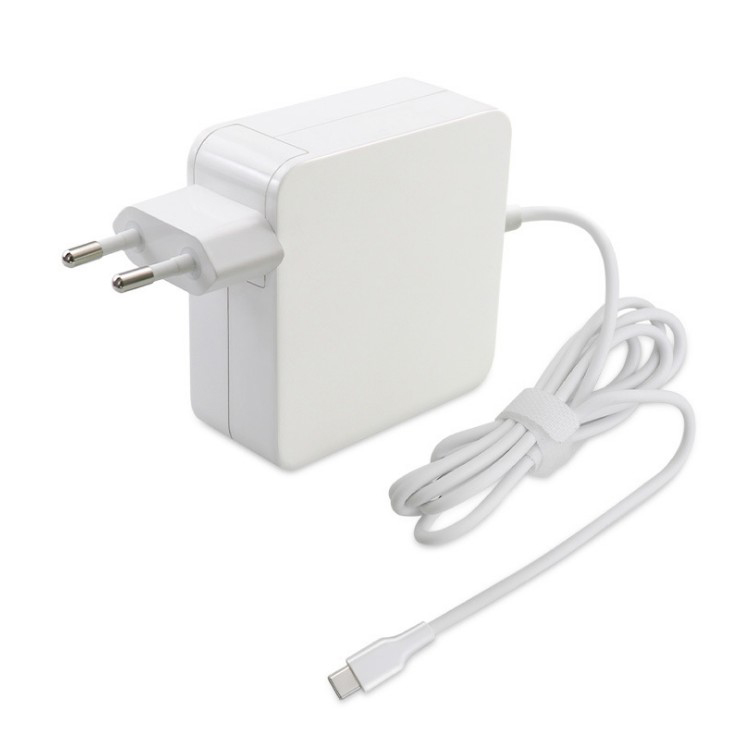
GaN chargers flip on and off so fast they make silicon look sluggish—100 times faster, in fact. That speed cuts down on wasted energy, which is why a 65W GaN charger fits in your palm these days, while the same power from a silicon model five years back would’ve weighed down your bag. Anker’s latest 100W GaNPrime? It charges a laptop, tablet, and phone all at once and still weighs less than a can of soda. Over in car garages, Ford’s new home EV chargers use SiC to squeeze 97% of grid power into the battery—meaning almost nothing gets lost as heat.
The Math That Matters
These aren’t just tweaks. Traditional silicon chargers waste up to 20% of the energy they pull from the wall. GaN and SiC chop that loss to 5% or less. Let that sink in: across the 1.5 billion phone chargers in use worldwide, that’s enough saved electricity to run 2 million homes for a year.
It adds up in manufacturing too. A GaN charger uses 30% less plastic and metal than its silicon cousin. With 5 billion chargers made globally each year, that’s 200,000 fewer tons of raw materials dug up, shipped, and molded—just by changing what’s inside.
You Can See It Everywhere
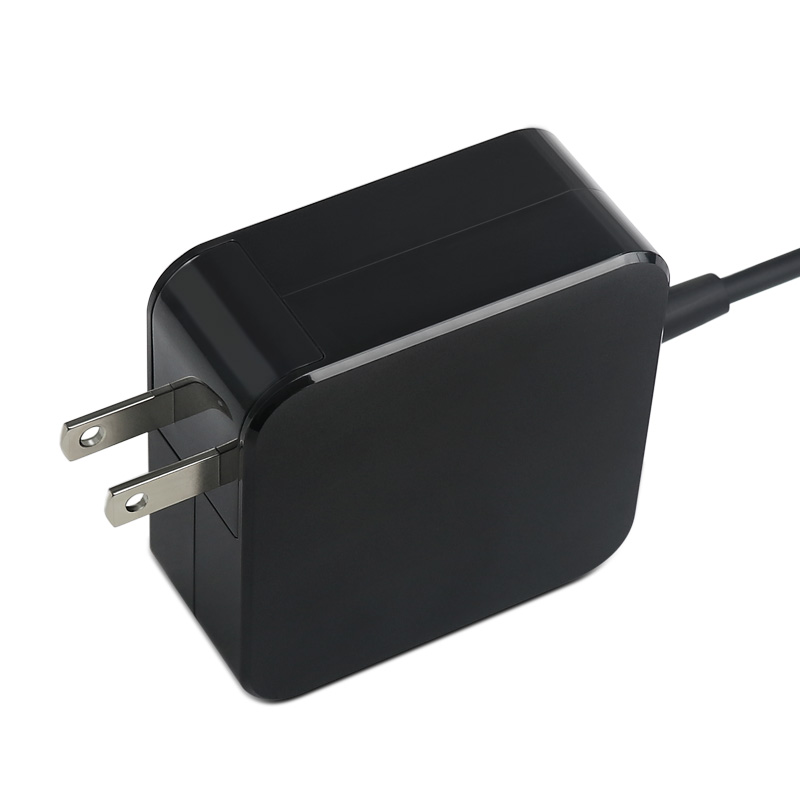
Walk into Best Buy now and you’ll spot the shift. There’s a whole section labeled “GaN Certified” where shoppers argue over 30-minute charging speeds like they used to debate camera megapixels. In Berlin cafes and Seoul coworking spaces, the bulky old charging stations are gone, replaced by sleek GaN setups that power four devices without getting hot enough to burn your hand.
This isn’t just for tech lovers. In rural Kenya, where electricity flickers in and out, GaN-based solar chargers are keeping medical clinic refrigerators running longer—critical when vaccines need to stay cold. In California, utility companies are handing out rebates for SiC home chargers because they ease strain on the grid during heatwaves, when every watt counts.
Speed Bumps on the Way
Of course, revolutions hit potholes. GaN and SiC still cost 20-30% more than silicon, though prices drop 15% every year as factories ramp up. Engineers are figuring out workarounds too: GaN’s finicky about static electricity, so new packaging keeps it safe. SiC is brittle, so manufacturers are learning to handle it more gently.
But the direction’s clear. By 2027, 80% of new chargers will likely use these materials, industry watchers say. With the average household owning 7.5 chargers, this change will sneak into every corner of daily life.
