

A car charger is an essential accessory for modern drivers, keeping smartphones, tablets, and other devices powered on the go. However, not all car chargers are created equal—substandard products pose serious risks, including overheating, short circuits, and even fire hazards. Before investing in a car charger, understanding and verifying key safety standards is critical to protecting your devices, your vehicle, and yourself. These standards are designed to ensure the charger operates safely under various conditions, from extreme temperatures to fluctuating vehicle voltage.
The first and most fundamental safety standard to check is over-current protection. This feature prevents excessive current from flowing through the charger to your device, which can damage the device’s battery or internal components. Reputable chargers comply with international standards such as IEC 60950-1, which sets limits for current output and requires built-in protection mechanisms. Additionally, look for chargers with over-voltage protection, which safeguards against sudden spikes in vehicle voltage—common when starting a car or using other vehicle electronics. Without these protections, a faulty charger could fry your device or cause a power surge in your car’s electrical system.
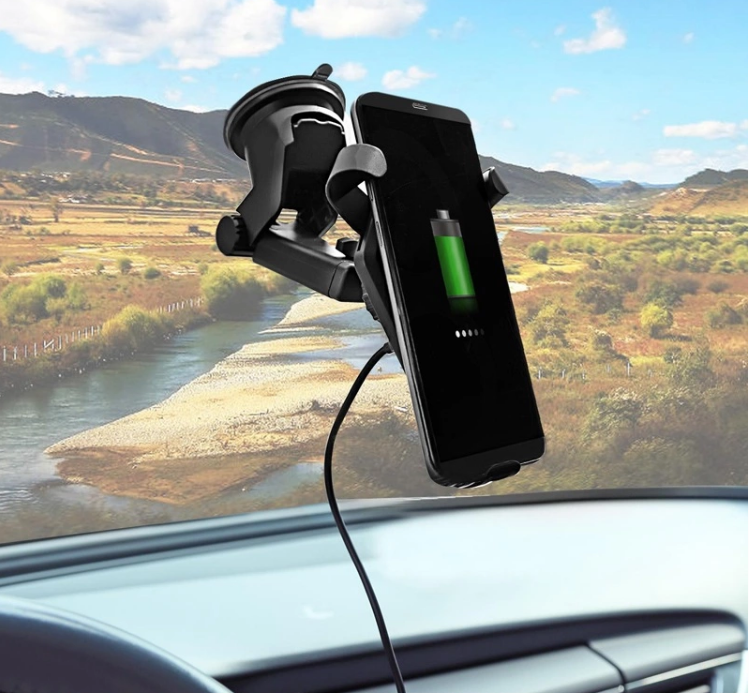
For drivers who need to charge multiple devices simultaneously, the Dual USB Car Charger Adapter is a popular choice—but safety should never be compromised for convenience. When selecting a Dual USB Car Charger Adapter, ensure it has independent current control for each port. This means each USB port can deliver the appropriate current to the connected device, preventing overloading even when both ports are in use. Look for certifications that confirm the adapter meets safety standards for dual-port operation, as some low-quality models cut corners on protection to offer multiple ports at a lower cost.
Temperature resistance is another non-negotiable safety standard, especially for car chargers. Vehicles can reach extreme temperatures—well above 60°C in summer and below 0°C in winter—and a quality charger must operate safely in this range. Standards like UL 2089 (for automotive electronics) and FCC Part 15 ensure the charger can withstand temperature fluctuations without melting, overheating, or malfunctioning. Avoid chargers with cheap plastic casings, as they are more likely to warp or catch fire when exposed to high temperatures.
The USB Smart Port Charger is designed to automatically detect the connected device and adjust the charging current accordingly, a feature that enhances both safety and efficiency. However, this smart functionality must comply with safety standards to avoid issues. Look for USB Smart Port Chargers that meet USB-IF (USB Implementers Forum) standards, which ensure the smart detection feature works reliably and does not deliver excessive current to incompatible devices. This not only protects your device but also extends the charger’s lifespan by preventing unnecessary wear and tear.
Certifications from recognized authorities are the best way to verify a car charger’s safety. Look for labels such as UL, CE, FCC, and RoHS. UL certification confirms the charger has been tested for fire, electric shock, and mechanical hazards; CE indicates compliance with European safety standards; FCC ensures it does not interfere with vehicle electronics; and RoHS restricts harmful substances like lead and mercury. Avoid chargers without any certifications, as they are likely untested and pose significant risks.
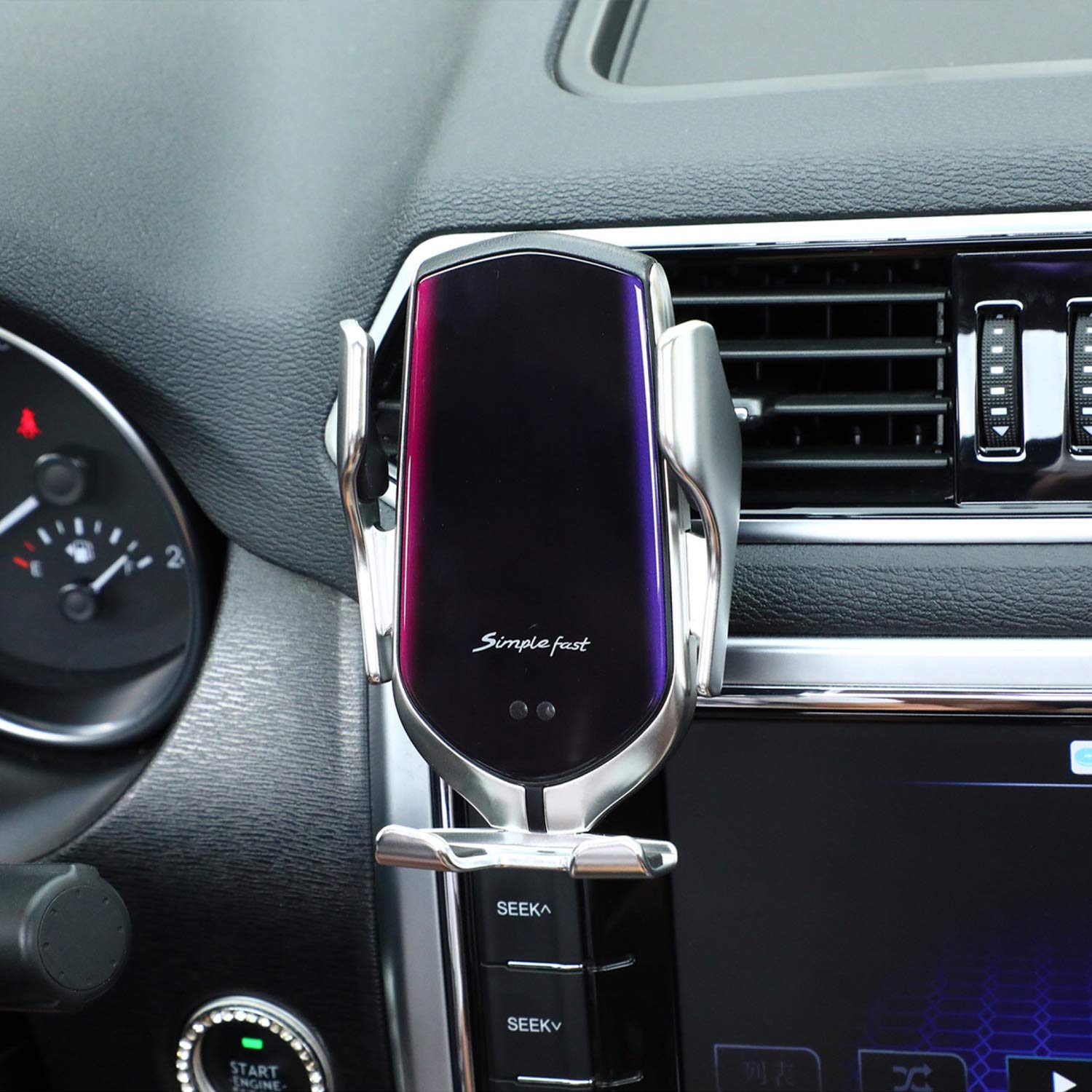
For those who prioritize charging their phones on the go, the USB Car Charger For Phone must meet additional safety criteria tailored to mobile devices. This includes short-circuit protection, which triggers if the charger’s USB port is damaged or a faulty cable is used, and over-charge protection, which stops charging once the phone’s battery is full. These features prevent battery damage and reduce the risk of overheating, which is especially important for smartphones with lithium-ion batteries that are prone to overheating if not charged safely.
