

Wireless chargers have become a staple accessory for smartphone users, offering convenience and clutter-free charging. However, as their popularity grows, so do misconceptions about their safety, efficiency, and functionality. These myths often lead consumers to make poor purchasing decisions or use their chargers incorrectly, missing out on their full benefits or even risking device damage. In this guide, we debunk the most common myths about wireless chargers, separating fact from fiction to help you use and choose these devices with confidence.
Myth 1: Wireless charging is significantly slower than wired charging. While it’s true that some basic wireless chargers are slower than fast wired chargers, this is not a universal rule. Modern wireless chargers support fast-charging technologies (up to 15W or higher for compatible devices), narrowing the gap with wired options. The speed difference is often negligible for daily use—for example, a 15W wireless charger can fully charge a smartphone in about 2-3 hours, similar to a standard wired charger. The convenience of placing your device on a pad without fumbling with cables often outweighs the minor speed difference.
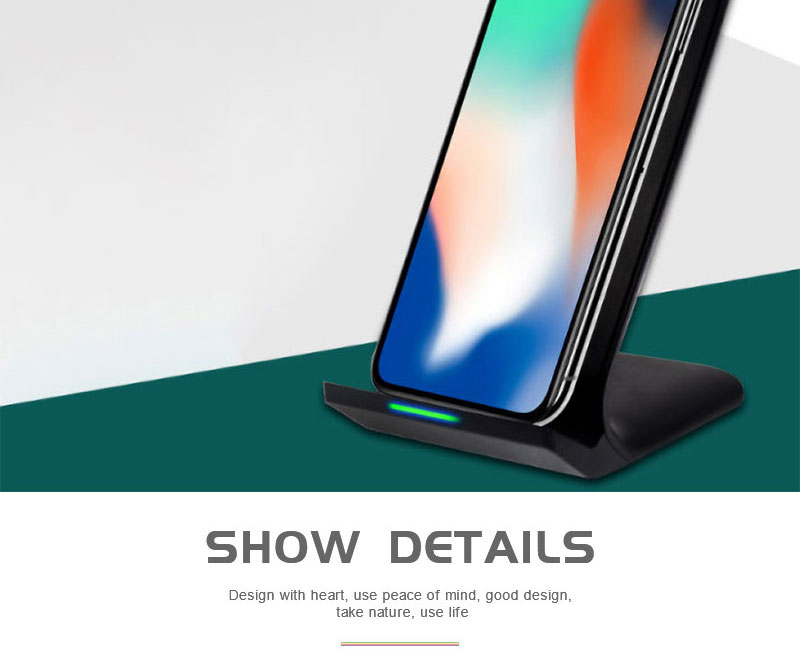
For users who need a charger that works with multiple devices—from smartphones to smartwatches—the Universal Wireless Charger is an ideal choice, but it’s often misunderstood. A common myth is that Universal Wireless Chargers are less efficient than device-specific models. In reality, high-quality Universal Wireless Chargers are designed to detect the connected device and adjust the charging power accordingly, ensuring compatibility and efficiency. They comply with Qi wireless charging standards, the global benchmark for wireless charging, so they work seamlessly with most Qi-enabled devices without sacrificing speed or safety.
Myth 2: Wireless chargers are unsafe and cause overheating. This myth likely stems from low-quality, uncertified chargers that cut corners on safety features. Reputable wireless chargers include built-in over-temperature protection, which automatically reduces power or shuts down if the device or charger gets too hot. They also feature over-current and over-voltage protection to prevent damage to your device’s battery. The key is to choose chargers with certifications like Qi, UL, or CE—these ensure the product has been tested for safety and compliance with industry standards.
Myth 3: Wireless chargers waste a lot of energy. While it’s true that wireless chargers consume a small amount of standby power when not in use, the energy waste is minimal—typically less than 1W per hour. This is comparable to the standby power used by wired chargers or other small electronics. Additionally, many modern wireless chargers feature smart sleep modes that reduce power consumption when no device is detected. For users who are often on the move, the Portable Wireless Charger takes energy efficiency a step further, with built-in batteries that store power for on-the-go charging without relying on a constant power source.
Another common myth is that wireless chargers damage device batteries. In fact, wireless charging is often gentler on batteries than wired charging. Wireless chargers deliver power in a steady, controlled manner, reducing the stress on the battery compared to the occasional voltage spikes that can occur with low-quality wired chargers. Most wireless chargers also stop charging once the device’s battery is full, preventing overcharging—the leading cause of battery degradation over time.
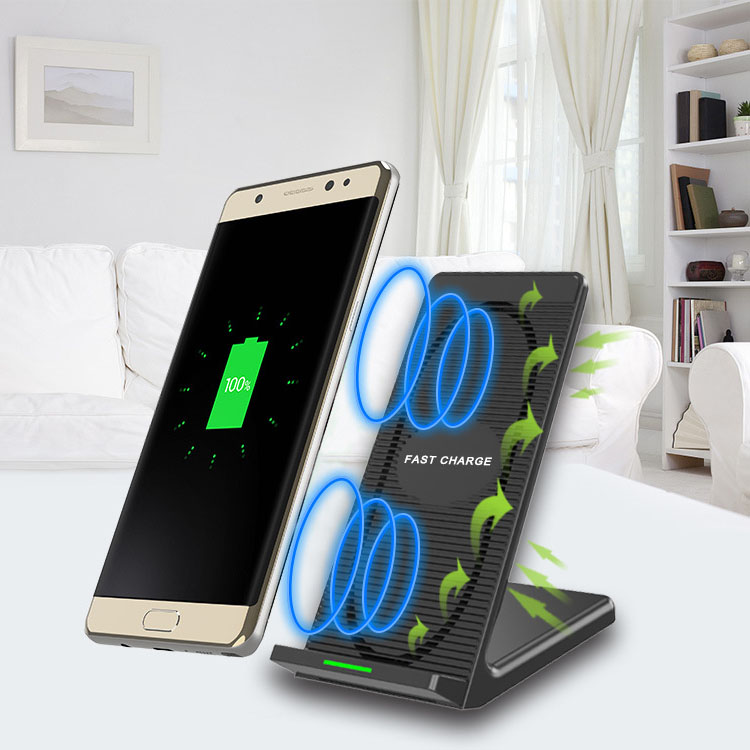
For smartphone users who prioritize on-the-go convenience, the Mobile Wireless Charger is a popular option, but it’s often falsely labeled as “less powerful” than stationary models. High-quality Mobile Wireless Chargers support fast charging, just like their stationary counterparts, and are designed to be compact and portable without compromising performance. They are ideal for travel, commutes, or anywhere you need to charge your phone without access to a wall outlet.
