

A slow-charging Li-Ion Battery Charger can be a frustrating issue, whether you’re powering personal electronics, industrial devices, or mobility equipment. While standard Li-ion chargers are designed for efficient, consistent charging, various factors can disrupt their performance, leading to prolonged charging times, reduced battery life, and even potential safety risks. Understanding the main causes of slow charging and implementing targeted fixes is essential for both users and businesses relying on Li-ion-powered devices. This guide breaks down the most common issues and practical solutions to restore your charger’s efficiency.
One of the primary causes of slow charging is a damaged or incompatible charging cable. Many users overlook the importance of high-quality cables, but frayed, broken, or low-grade cables can limit current flow, significantly slowing down the charging process. Cables with loose connectors or damaged internal wires fail to transmit power efficiently, forcing the charger to work harder while delivering less energy to the battery. The fix is simple: replace the cable with a genuine, high-quality one that matches the charger’s specifications. Ensure the cable is rated for the charger’s output current, as undersized cables cannot handle the required power load.
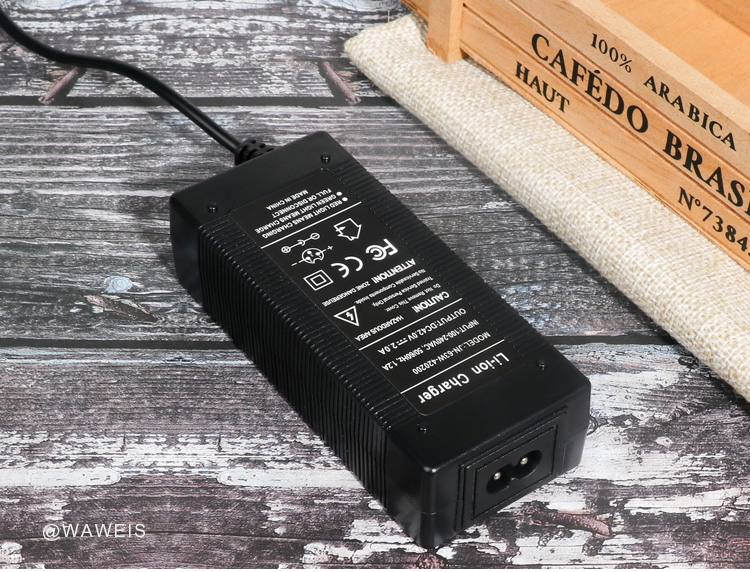
For users of mobility devices, such as electric scooters, a common culprit is a faulty connection between the charger and the device. The Aviation Plug Scooter Charger, which is widely used for its durability and secure connection, can experience slow charging if the plug is dirty, corroded, or not fully inserted. Dirt, dust, or oxidation on the aviation plug’s contacts can create resistance, blocking the smooth flow of power. To fix this, turn off both the charger and the scooter, then use a dry cloth or a small brush to clean the plug’s contacts. Ensure the plug is fully inserted until it clicks into place, creating a secure, uninterrupted connection.
Another common cause of slow charging is overheating, which triggers the charger’s built-in safety mechanisms to reduce power output. Li-ion chargers are designed to automatically slow down or stop charging if they overheat, as high temperatures can damage the battery and pose safety hazards. Overheating can occur due to poor ventilation (e.g., placing the charger in a closed cabinet or direct sunlight), using the charger near heat sources, or charging a battery that is already hot. The solution is to move the charger to a cool, well-ventilated area, away from direct sunlight and heat-emitting devices. Allow the charger and battery to cool down before resuming charging.
Incompatible charger specifications can also lead to slow charging. Using a charger with a lower output current than the battery requires will result in prolonged charging times, as the charger cannot deliver enough power to charge the battery quickly. This issue is particularly common with Power Scooter Charger setups, where the scooter’s battery may require a specific current rating to charge efficiently. To resolve this, check the battery’s specifications (usually found on the battery itself or in the user manual) and ensure the charger’s output current matches or exceeds the recommended value. Using a charger with the correct specifications will not only speed up charging but also protect the battery from damage.
Lastly, a worn-out or faulty charger itself can cause slow charging. Over time, internal components of the charger (such as capacitors or resistors) can degrade, reducing its efficiency and power output. If you’ve tried all the above fixes and the charger still charges slowly, it may be time to replace it with a new, high-quality standard Li-ion charger. Regular maintenance, such as keeping the charger clean and storing it in a dry, cool place, can extend its lifespan and prevent premature failure.
By addressing these common causes—damaged cables, poor connections, overheating, incompatible specifications, and faulty chargers—you can restore your standard Li-ion charger’s efficiency and ensure fast, safe charging. Whether you’re using a charger for personal devices or industrial equipment, these simple fixes will help you avoid frustration and protect your Li-ion batteries, maximizing their lifespan and performance. In a world where reliable power is essential, maintaining your Li-ion charger is key to keeping your devices running smoothly.
